
Western vs East Asian Age: 7 Key Counting Differences
Table of Contents ▼
When calculating someone’s age, you might assume the math is universal. However, depending on where you are in the world, the answer to “How old are you?” can vary significantly. The most prominent example of this is the difference between Western vs East Asian age calculation systems. (You can read more about age reckoning traditions on Wikipedia).
Table of Contents
How Western Age Calculation Works
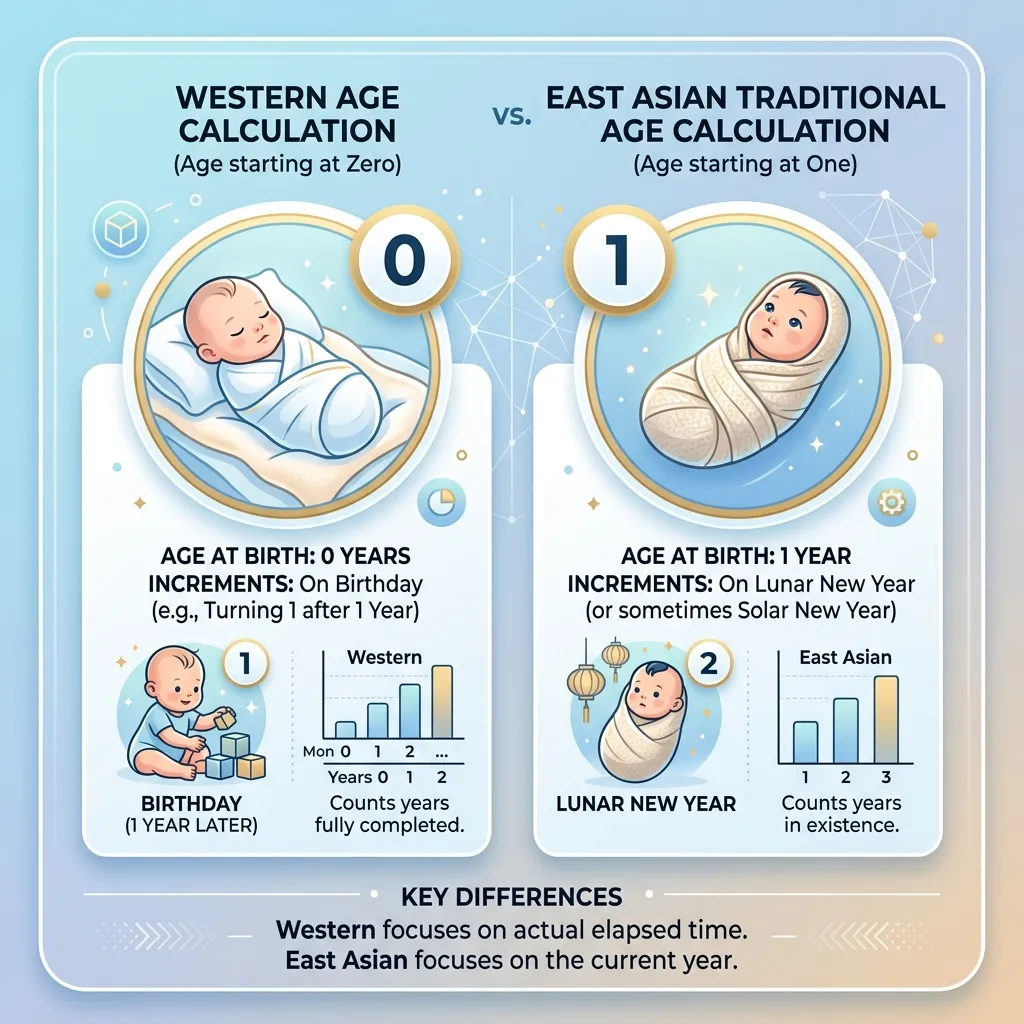
In most Western countries, age is calculated based on the concept of elapsed time. When a baby is born, their age is considered zero. They do not turn “one” until exactly one full year of time has elapsed since their birth. This chronological age system is used for everything from medical records to legal drinking ages. It is an exact measurement of time lived.
Understanding Traditional East Asian Age
Conversely, traditional East Asian age reckoning (often referred to historically as the “Korean age” or “Chinese age”) focuses on the calendar year rather than strict elapsed time. When a child is born, they are immediately considered one year old. Furthermore, their age increments not on their exact birth date, but on the New Year (either the Lunar New Year or the Solar New Year, depending on the specific cultural tradition).
This means that a baby born on December 31st would be considered one year old at birth, and then immediately turn two years old the very next day on January 1st, even though they have only been alive for a few hours!
Modern Reforms and Changes
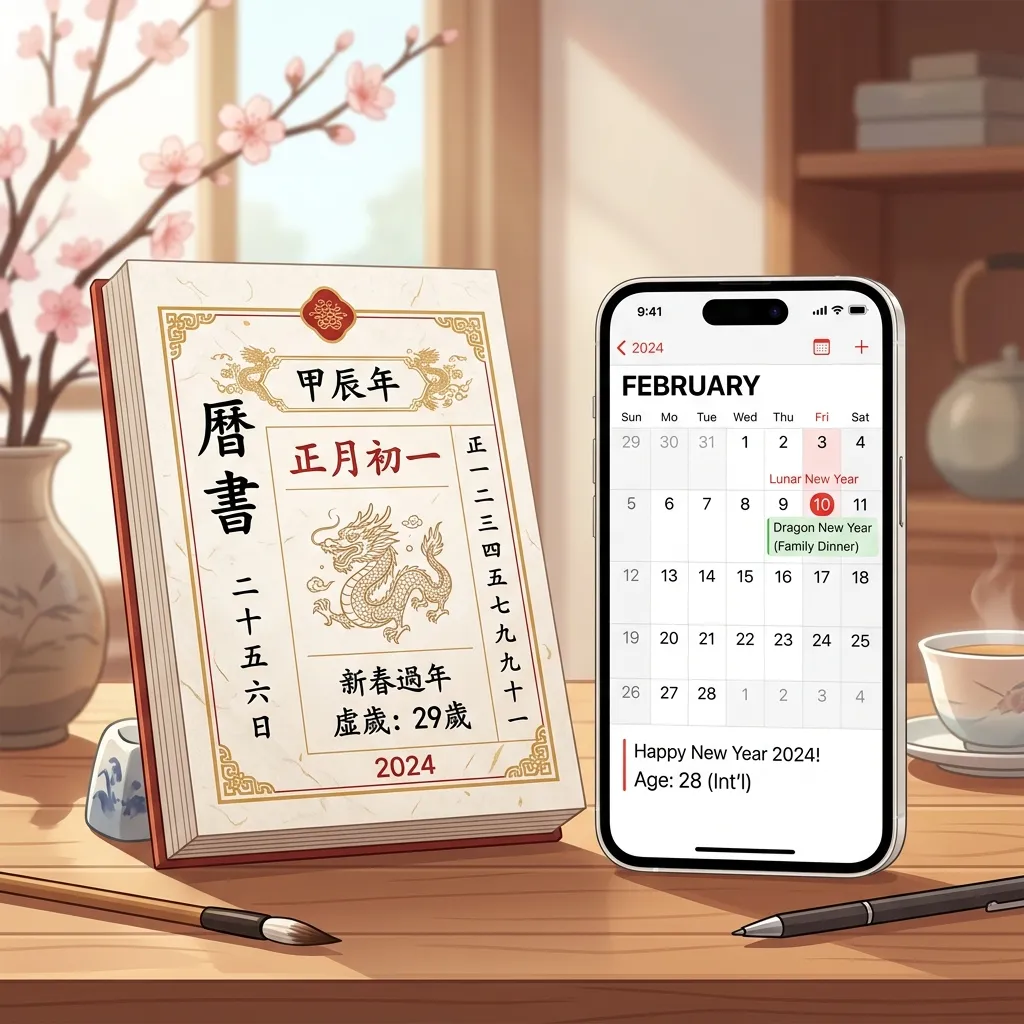
While these traditional systems hold immense cultural significance, they can cause confusion in a globalized world, particularly in legal, medical, and international contexts. As a result, many East Asian countries have legally adopted the Western chronological age system for official government and administrative purposes. For example, in 2023, South Korea officially passed legislation to adopt the international age system for all judicial and administrative areas, ensuring consistency with international standards.
Why These Differences Matter
Understanding these differences is crucial for accurate chronological age calculations. If you are a medical professional, a researcher, or simply someone trying to figure out the exact age of a historical figure, failing to account for the specific age reckoning system used can result in errors of up to two years. Always verify which system is being referenced when analyzing demographic data from different regions.
Frequently Asked Questions
Is the traditional age system still used socially?
Yes, despite legal changes, the traditional East Asian age system remains deeply embedded in social hierarchies and everyday conversation in many cultures, as age dictates the level of formality and respect required in language.
How do I convert a traditional age to a Western age?
To convert, you generally subtract one year for the starting age, and then determine if the individual has passed their actual birthdate in the current year. If they have not, you subtract another year.